Microneedling: How Collagen-Induction Therapy Works, and What It Treats
Microneedling is one of the most versatile skin treatments we offer at Aetheria Aesthetics & Wellness™ in Pittsburgh’s North Hills, and it is also one of the most misunderstood. It does not add anything to your skin. It signals your skin to rebuild itself. Here is a plain guide to what microneedling is, what it treats, and how to think about it, from Melissa Kolowitz, PA-C.
What microneedling actually is
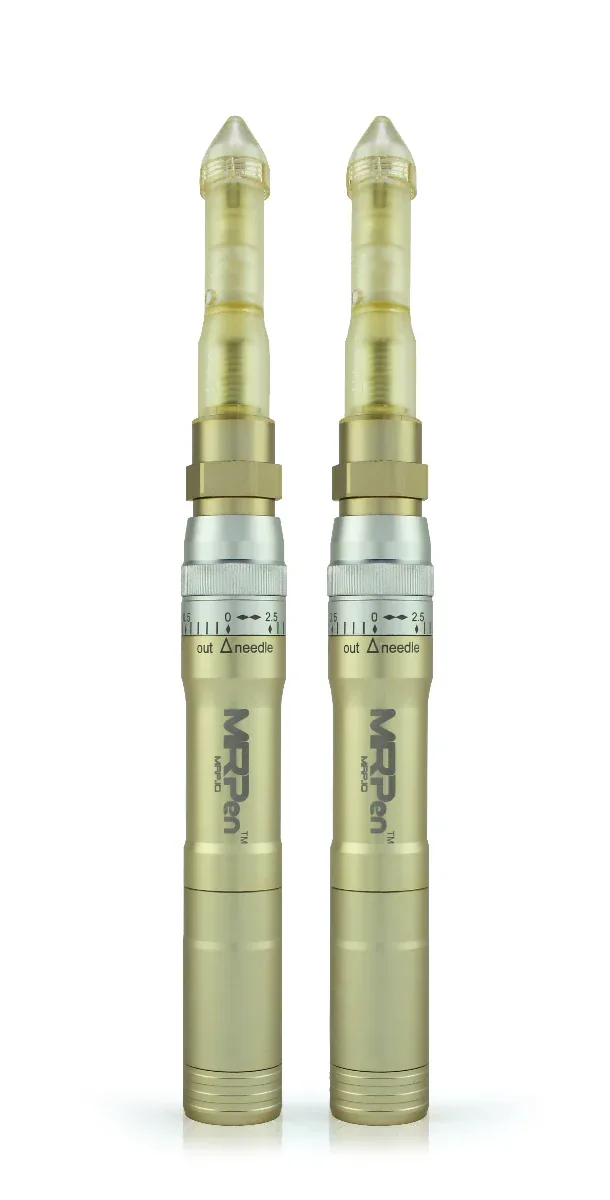
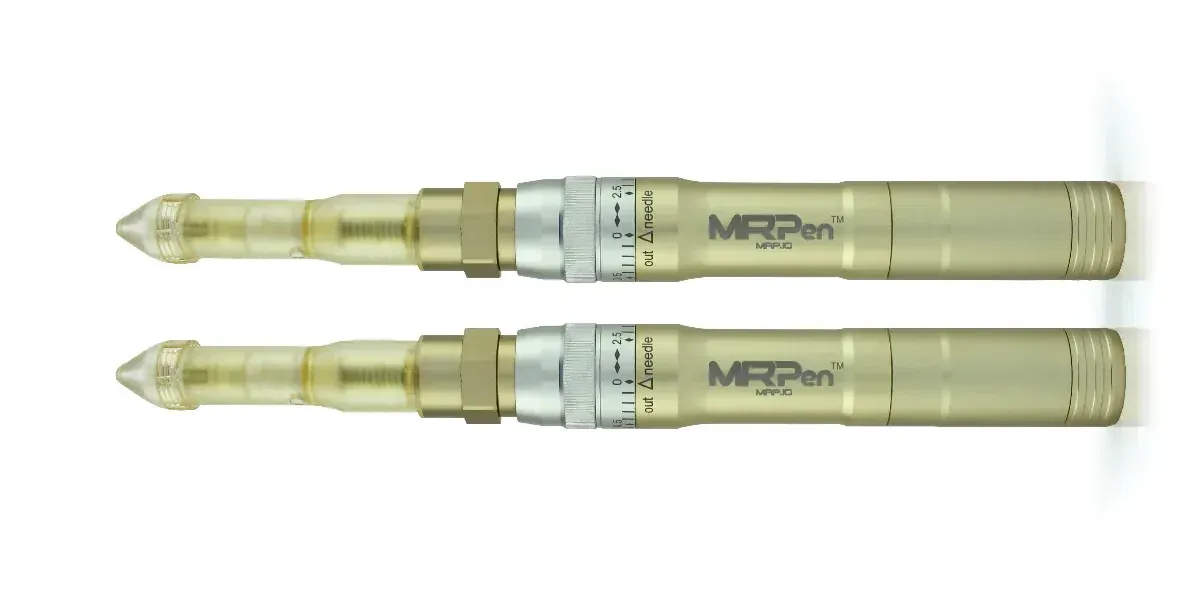
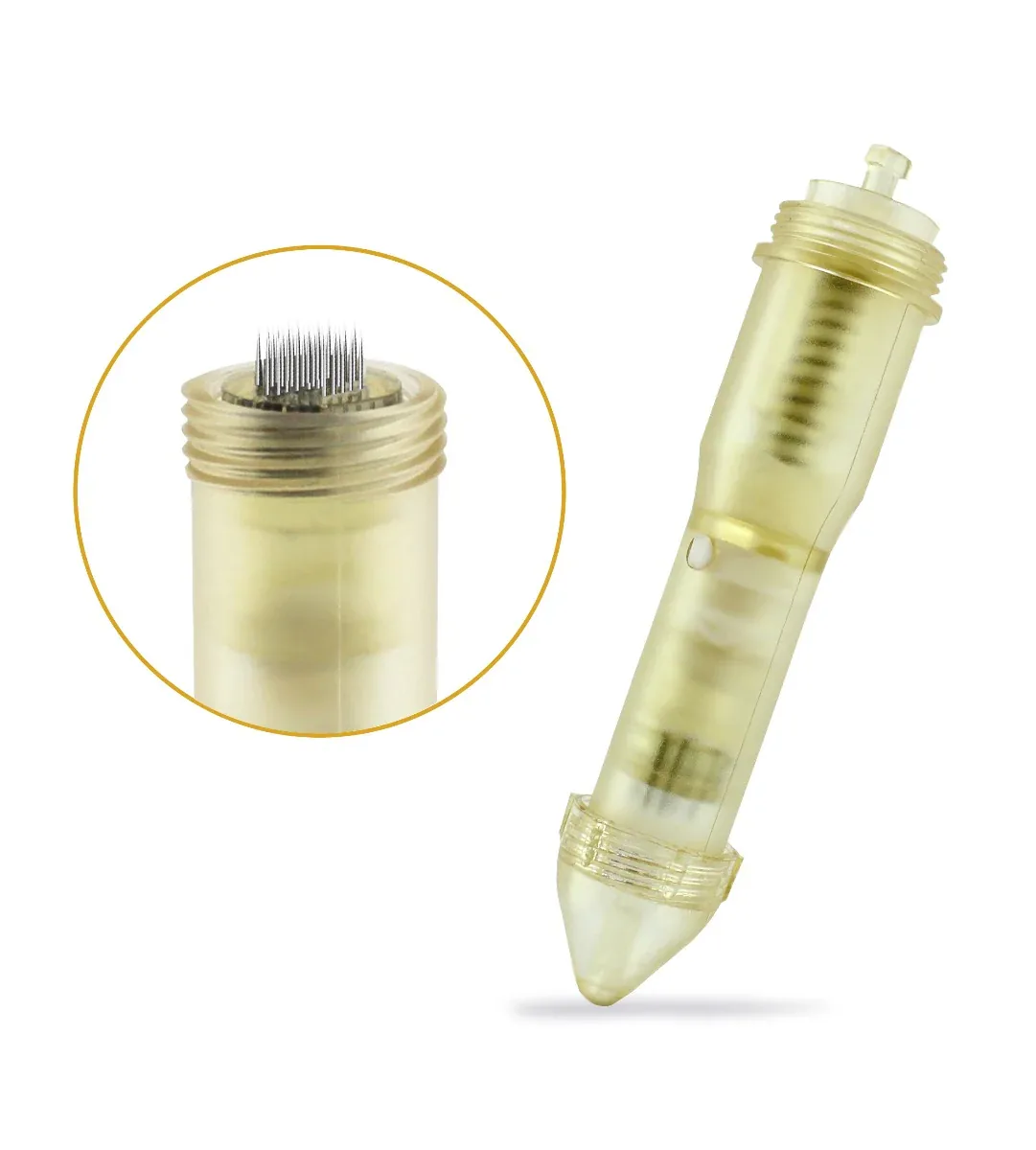
Microneedling, also called collagen-induction therapy, uses a professional device with fine, sterile needles to create controlled micro-channels in the surface of the skin. Those tiny, precise injuries are the whole point. Your body responds to them the way it responds to any small wound, by producing new collagen and elastin to repair the area.
Collagen and elastin are the proteins that keep skin firm and smooth, and we make less of both as we age. By prompting the skin to build more of them, microneedling improves texture and tone from the inside rather than resurfacing it from the outside or filling it from below.
How the result builds
The improvement from microneedling is gradual, and that is by design. In the first couple of weeks the skin often looks fresher and more even. The larger improvement comes over the following months as new collagen continues to form. That is why we plan microneedling as a short series rather than a single session, typically a few treatments spaced about four weeks apart, with occasional maintenance afterward.
A measured approach matters here. The goal is steady collagen building, not the most aggressive single pass, and a plan matched to your skin is what produces a natural-looking result. Individual results vary.
What microneedling treats
Because it works on the structure of the skin rather than one specific concern, microneedling helps with a range of issues:
- Acne scars, especially the depressed, uneven texture left behind by past breakouts
- Fine lines in the surface layers of the skin
- Enlarged pores and rough or congested texture
- Uneven tone, including a dull or blotchy complexion
- Mild skin laxity, where skin has begun to lose its tautness
- Stretch marks and other textural irregularities
A useful side effect is that the same micro-channels let medical-grade skincare absorb more effectively in the hours after treatment, which is why we often pair microneedling with the right at-home regimen.